Converting agricultural waste and livestock manure into renewable energy requires more than a single digester. It depends on a well-designed treatment chain that improves biodegradability, stabilizes organic loading, controls gas quality, and ensures safe storage.
At Yikang Ecological, biogas production is approached as an integrated system. Through biological pretreatment, high-loading anaerobic digestion, bio-desulfurization, and modular storage infrastructure, agricultural waste can be transformed into methane-rich biogas, organic fertilizer resources, and long-term environmental value for farming operations.
Biological Pretreatment for Better Digestion
Agricultural biomass and livestock manure often contain complex organic matter, fibrous structures, and high-solid materials that are difficult to break down quickly. Without effective pretreatment, these materials may lead to uneven digestion, crust formation, pipe blockage, and reduced methane conversion efficiency.
To address these challenges, Yikang Ecological applies controlled biological pretreatment before anaerobic digestion. This process helps break down complex organic materials into more digestible compounds, improving slurry uniformity and preparing the feedstock for stable downstream treatment.
By improving biodegradability at the early stage, the system supports smoother operation, better material flow, and improved digestion performance in the main anaerobic reactor.
High-Loading Anaerobic Digestion
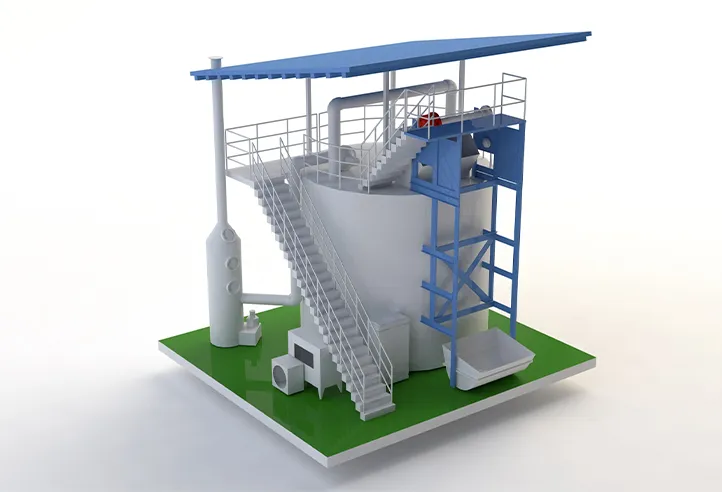
After pretreatment, the conditioned waste stream enters the anaerobic digestion system, where microorganisms convert organic matter into biogas under oxygen-free conditions.
Yikang Ecological’s high-loading anaerobic digestion process is designed to maintain an active microbial environment inside the reactor. Through optimized mixing, internal circulation, and biomass retention, the system helps improve organic loading capacity while supporting stable methane generation.
This approach is especially suitable for high-strength agricultural wastewater, livestock manure slurry, and other organic waste streams with high COD concentrations. Compared with conventional low-rate treatment systems, high-loading anaerobic digestion can help reduce reactor volume requirements, improve land-use efficiency, and optimize overall project investment.
Bio-Desulfurization for Cleaner Biogas
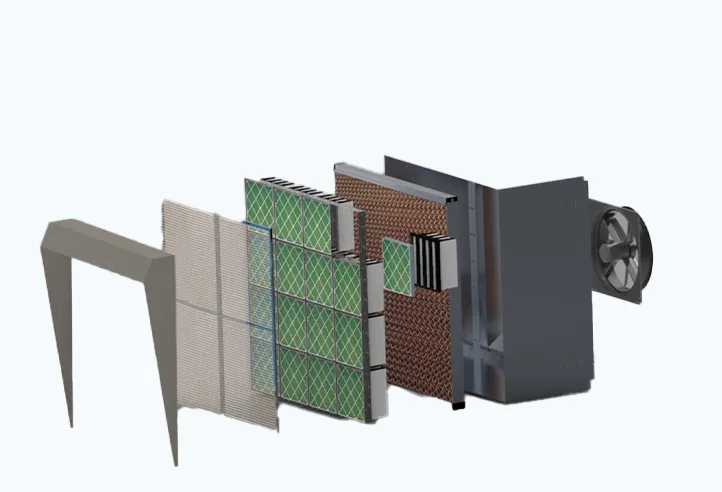
Raw biogas generated from livestock manure and organic waste often contains hydrogen sulfide, or H₂S. If not properly removed, H₂S can corrode pipelines, damage power generation equipment, and increase maintenance costs.
Yikang Ecological integrates biological desulfurization into its biogas treatment process. Under controlled operating conditions, sulfur-oxidizing microorganisms help convert hydrogen sulfide into elemental sulfur, reducing the corrosive impact of raw biogas.
Compared with chemical-heavy gas treatment methods, biological desulfurization can help reduce chemical consumption, lower operating costs, and improve the long-term stability of biogas utilization systems.
GFS Tanks and Gas Storage Infrastructure
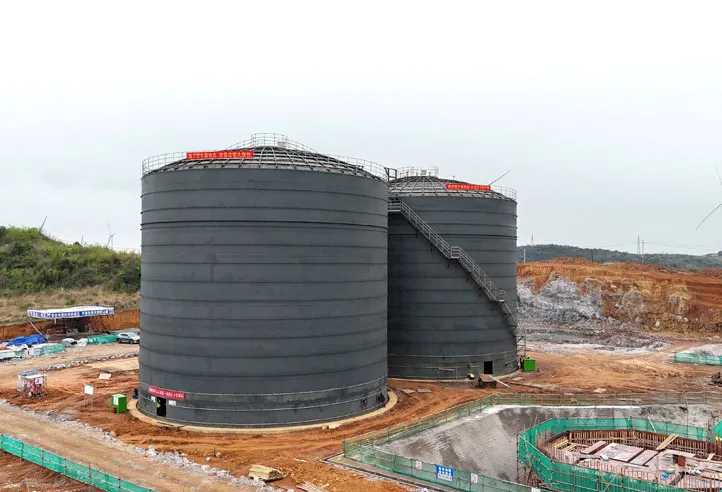
Reliable infrastructure is essential for the long-term operation of biogas and wastewater treatment projects. Yikang Ecological provides Glass-Fused-to-Steel, or GFS, tanks for wastewater storage, anaerobic digestion, digestate storage, and other environmental engineering applications.
GFS tanks combine the strength of steel with the corrosion resistance of glass enamel coating. Their modular bolted structure allows faster on-site installation, flexible capacity design, and easier transportation compared with traditional concrete structures.
For biogas storage, Yikang Ecological also provides double-membrane gas holders designed for stable and flexible gas management. The outer membrane helps maintain structural stability, while the inner membrane stores biogas under controlled pressure, supporting safer and more reliable project operation.
Building Integrated Biogas Solutions
Higher-efficiency biogas production is not achieved by one technology alone. It requires coordinated system design across pretreatment, anaerobic digestion, gas purification, storage, and resource utilization.
By integrating these technologies, Yikang Ecological helps livestock farms, agricultural companies, and organic waste treatment projects convert waste streams into renewable energy and reusable resources. This supports not only environmental compliance, but also circular agriculture and long-term resource recovery.
Through its experience in livestock wastewater treatment, manure recycling, biogas engineering, and environmental equipment manufacturing, Yikang Ecological continues to provide integrated solutions for a more sustainable agricultural future.
Frequently Asked Questions
What is the role of biological pretreatment in biogas production?
Biological pretreatment helps break down complex fibrous materials and improves slurry uniformity before anaerobic digestion. This can support more stable operation and improve the biodegradability of agricultural waste.
Why is high-loading anaerobic digestion important?
High-loading anaerobic digestion allows the system to treat organic waste streams with higher pollutant concentrations while maintaining active microbial performance. It can help improve treatment efficiency, reduce reactor volume requirements, and optimize project layout.
Why does biogas need desulfurization?
Raw biogas often contains hydrogen sulfide, which is corrosive to pipelines, engines, boilers, and other equipment. Desulfurization helps protect downstream equipment and improves the reliability of biogas utilization.
What are the advantages of GFS tanks?
GFS tanks offer corrosion resistance, modular installation, flexible capacity design, and long service life under proper operation and maintenance. They are widely used in wastewater treatment, anaerobic digestion, and biogas engineering projects.
How do double-membrane gas holders support biogas projects?
Double-membrane gas holders provide flexible biogas storage under controlled pressure. Their dual-layer design helps maintain external structural stability while safely storing biogas for power generation, heating, or further purification.
 English