Agricultural waste is no longer viewed only as a disposal challenge. Around the world, livestock manure, crop residues, and high-strength organic wastewater are increasingly being recognized as valuable resources for renewable energy production, nutrient recovery, and circular agriculture.
As environmental regulations become stricter and the demand for low-carbon development continues to grow, farms and agricultural companies are looking for solutions that go beyond simple waste disposal. They need systems that can reduce pollution, recover resources, and support long-term sustainable operations.
Yikang Ecological focuses on this transformation by providing integrated environmental solutions for agricultural waste treatment, livestock wastewater management, biogas engineering, manure recycling, odor control, and related environmental equipment.
Rethinking Agricultural Waste Management
Traditional agricultural waste management often relies on open storage, direct land application, or single-purpose treatment methods. These approaches may create challenges such as odor emissions, greenhouse gas release, nutrient loss, and potential risks to soil and water environments.
Modern agricultural waste treatment requires a more systematic approach. Instead of treating manure and wastewater as separate problems, integrated solutions connect waste collection, solid-liquid separation, anaerobic digestion, wastewater treatment, biogas utilization, and organic fertilizer production into one coordinated process.
This approach helps agricultural operators reduce environmental pressure while creating new value from waste streams that were once considered difficult to manage.
Supporting Rural Environmental Governance
In many agricultural regions, individual farms may not have the technical capacity, investment strength, or management experience to build and operate complex environmental treatment systems on their own.
Yikang Ecological supports rural environmental governance through project-based and regional treatment solutions. By designing systems around local agricultural structures, waste characteristics, land conditions, and discharge requirements, the company helps reduce the environmental burden on farms and supports more organized waste management at the regional level.
This model is especially valuable in areas with intensive livestock farming, where manure, wastewater, and odor control need to be managed in a coordinated and long-term way.
Connecting Water, Energy, and Nutrients
A truly sustainable agricultural waste solution should not stop at pollutant removal. It should also consider how organic waste can be converted into renewable resources.
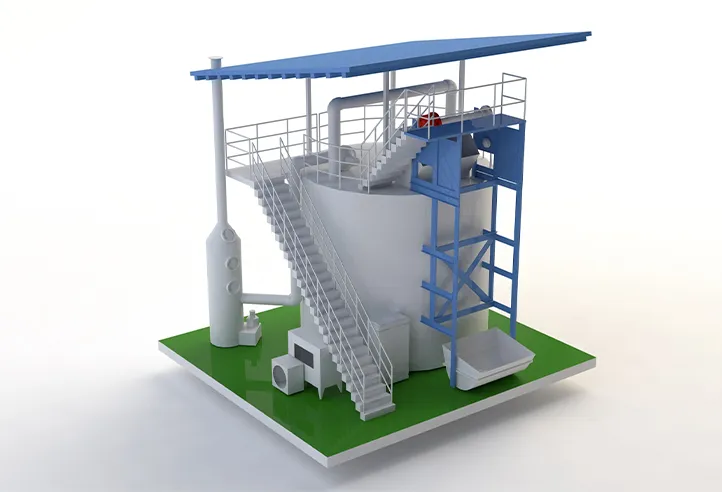
Through anaerobic digestion, livestock manure and other organic waste streams can be converted into methane-rich biogas. Depending on project scale and local conditions, this biogas may be used for power generation, heating, or further purification.
At the same time, solid and liquid by-products from the treatment process can be further stabilized and managed as nutrient resources, subject to local standards and application requirements. This creates a stronger connection between livestock farming and crop production, helping build a more circular agricultural system.
In this way, agricultural waste treatment becomes more than an environmental compliance measure. It becomes part of a broader resource recovery strategy.
Engineering Capability Behind the Solution
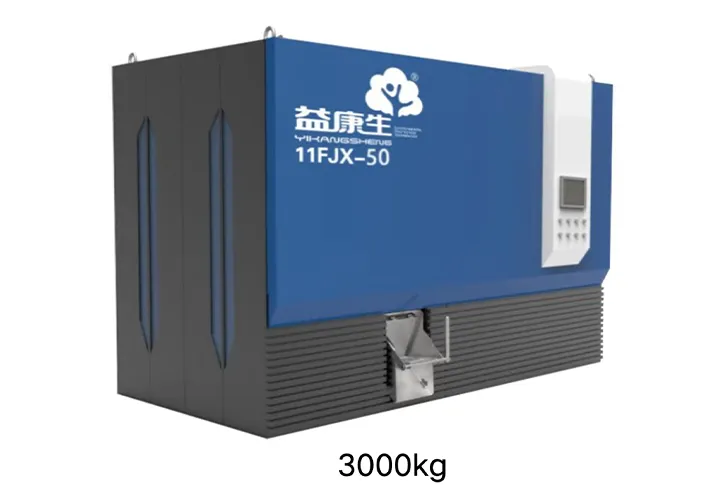
Integrated environmental solutions require reliable engineering and equipment support. As a fermentation tank manufacturer, Yikang Ecological combines process design, project implementation, and equipment manufacturing capabilities to support agricultural and industrial environmental projects.
The company’s solutions may include wastewater treatment systems, anaerobic digestion reactors, Glass-Fused-to-Steel tanks, double-membrane gas holders, solid-liquid separation equipment, odor control systems, and other supporting facilities.
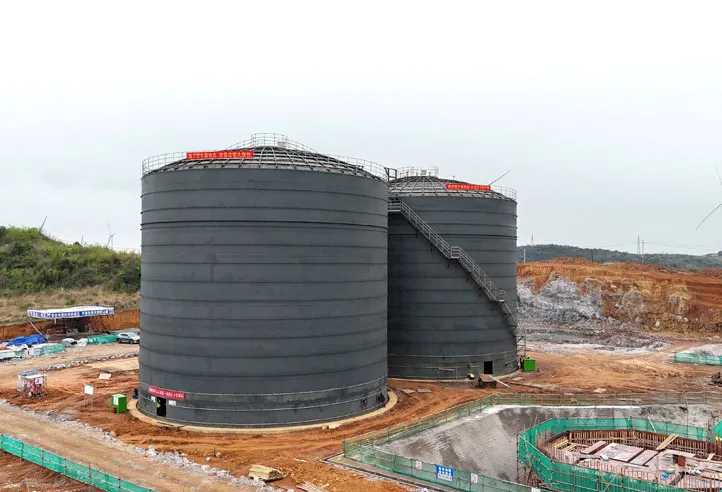
Glass-Fused-to-Steel tanks, also known as GFS tanks, are widely used in wastewater storage, anaerobic digestion, digestate storage, and other environmental engineering applications. Their modular structure, corrosion resistance, and flexible installation make them suitable for agricultural and biogas projects with different site conditions and capacity requirements.
Double-membrane gas holders also support biogas projects by providing flexible gas storage under controlled pressure, helping improve the stability and safety of biogas utilization systems.
Building a More Circular Agricultural Future
The future of agricultural waste management is moving toward integrated, resource-oriented, and project-specific solutions. For livestock farms, food processors, and agricultural production bases, waste treatment is no longer only about meeting discharge requirements. It is also about improving resource efficiency, reducing environmental impact, and supporting circular value creation.
By connecting wastewater treatment, manure recycling, biogas production, odor control, and environmental equipment manufacturing, Yikang Ecological helps agricultural clients build more sustainable treatment systems.
As agriculture continues to modernize, the ability to transform waste into energy, nutrients, and reusable resources will become increasingly important. Yikang Ecological is committed to supporting this transition with integrated environmental solutions for a cleaner and more sustainable agricultural future.
Frequently Asked Questions
What makes Yikang Ecological’s approach different from traditional agricultural waste treatment?
Yikang Ecological focuses on integrated treatment rather than single-step disposal. Its solutions can combine wastewater treatment, manure recycling, anaerobic digestion, biogas utilization, odor control, and equipment support according to project needs.
How can agricultural waste be converted into renewable value?
Organic waste such as livestock manure can be treated through anaerobic digestion to produce biogas. Treated by-products may also be further stabilized and managed as nutrient resources, depending on local standards and project conditions.
Why are GFS tanks used in agricultural and biogas projects?
GFS tanks combine steel strength with glass enamel corrosion resistance. Their modular design allows flexible capacity, faster installation, and reliable storage for wastewater, digestate, and anaerobic digestion applications.
 English